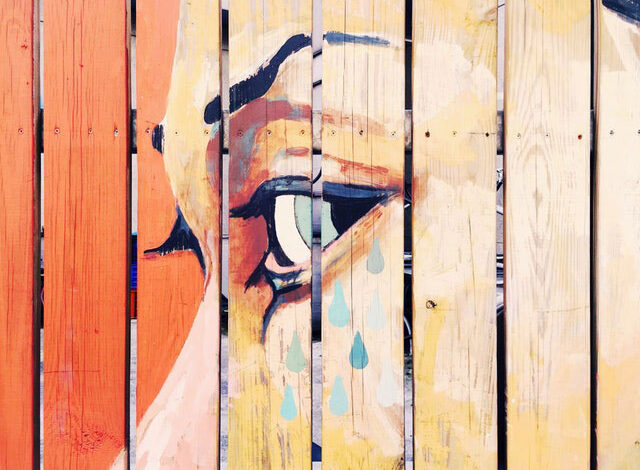
Art began in the hands of primitive human beings. In ancient times, people expressed their thoughts, emotions, and experiences through simple drawings, carvings, and handmade objects. Early humans were greatly influenced by their surroundings—nature, animals, daily life, and their environment. By observing and imitating these elements, they gradually developed creative ways to represent what they saw and felt. This process of imitation and expression laid the foundation for the development of art.
Art can be understood as the complete expression of the creative power of the human mind. It is the result of imagination, emotion, and personal experience working together. When a person feels joy, curiosity, or inspiration, they often try to express those feelings through different forms such as painting, sculpture, music, dance, or writing. Humans communicate ideas and emotions through art, which are sometimes difficult to express through words alone.
Depending on the context, the word “art” can convey a multitude of meanings. Any skillful and creative work created by humans is generally referred to as art. It includes activities that require talent, practice, and imagination. Art is not limited to visual creations; it can also include performing arts, crafts, and other creative expressions.
Literally, the word “art” means skillful or skilled work. It emphasizes the ability of a person to create something with care, technique, and creativity. On the other hand, the term “banana” (likely referring to Bana or Bana/বানা in a cultural or linguistic sense) can also mean knowledge or science. In this way, art combines both skill and understanding. It is not only about creativity but also about learning techniques and developing knowledge to express ideas effectively.
Therefore, art can be considered a powerful combination of imagination, emotion, skill, and knowledge. From the earliest days of human civilization to the modern world, art has remained an important way for people to express themselves and reflect the world around them.
The Main Pathways of Art
Types of Art
Although the word “art” generally refers to work or activity, in a practical sense it is often used to describe technique, skill, craftsmanship, and creative ability. Art is not simply the act of making something; it involves the thoughtful use of imagination, experience, and aesthetic sense. An artist combines skill with taste and creativity to produce a work that is meaningful and expressive. Through this process, art becomes a powerful tool for expanding human understanding and deepening our perception of life.
An artist’s role extends beyond crafting aesthetically pleasing objects. Rather, artists help broaden our insights and expand the boundaries of our imagination. Through their works, they present new ways of seeing and interpreting the world. A painting, a piece of music, a poem, or a sculpture can reveal ideas and emotions that might otherwise remain hidden. In this way, art allows people to explore deeper truths about themselves and the world around them.
Art can also be described as an expression of human thoughts, emotions, insights, and aspirations. It is a unique way of interpreting reality. While science mainly focuses on explaining the physical world through facts and experiments, art goes beyond that. It attempts to capture the entire human experience, including society, culture, emotions, relationships, and spiritual life. Art lets people explore the world’s appearance, feel, and meaning.
In addition, art is both a personal and cultural phenomenon. On a personal level, it reflects the feelings, beliefs, and imagination of the individual artist. On a cultural level, it represents the traditions, values, and experiences of a community or society. As a result, art frequently mirrors the time and place of its creation. It helps preserve history, express cultural identity, and inspire future generations.
People create art for many different reasons. Some artists create works to communicate ideas or messages to others. Others create art simply to express their inner feelings or personal experiences. For many, art is also a practical activity that fulfills certain needs, such as decoration, storytelling, religious expression, or social commentary. The motivations behind artistic creation are diverse and varied.
Art is deeply connected to human emotions. It can express feelings of love, hatred, admiration, criticism, happiness, sorrow, hope, and pain. Through art, individuals can share these emotions with others and create a sense of connection and understanding. In this way, art becomes a universal language that speaks to people across cultures and generations.
Therefore, art is not only about beauty or decoration. It is a powerful form of human expression that helps us understand ourselves, our society, and the deeper meaning of life.
Different Forms of Art
Art exists in many different forms, and each form expresses human creativity in a unique way. Artists use different materials, techniques, and ideas to create works that communicate emotions, stories, and experiences. Below are some important forms of art and their explanations.
- Animation
Animation is a technique used to create the illusion of movement by displaying a series of images in rapid sequence. Each image differs slightly from the previous one, and their rapid display gives the impression of movement. Animation is widely used in films, television, video games, advertisements, and educational content. Modern animation often uses digital tools and computer software to create realistic and imaginative visual stories. - Architecture
Architecture involves planning, designing, and organizing spaces in a way that is both functional and aesthetically pleasing. Architects consider many factors, such as safety, materials, environment, and cultural style, when creating structures. Famous examples of architectural art include temples, monuments, houses, bridges, and skyscrapers. - Body Art
Body art uses the human body as a canvas for creative expression. It includes practices such as tattoos, body painting, and artistic makeup. Body art holds historical, cultural, or spiritual significance in many cultures, frequently acting as a tool for storytelling, marking significant events, or expressing community identity. Today, it is also widely used in fashion, performance art, and personal identity expression, showing how different artistic communities are influenced by current trends and their own creativity. - Brief Art (Fruit Sculpture)
Brief art refers to the creative practice of carving or sculpting fruits and vegetables into decorative shapes and designs. Food presentations, celebrations, and cultural events often showcase this type of art. Skilled artists transform simple fruits into beautiful sculptures such as flowers, animals, or decorative patterns. - Cinema
Cinema, or filmmaking, is the art of creating motion pictures that combine moving images, sound, dialogue, music, and visual effects. It is a powerful storytelling medium that can entertain, educate, and inspire audiences. Films use acting, cinematography, editing, and sound design to convey emotions and ideas. - Comic Writing
Comic writing is the art of telling stories through a combination of illustrated images and written dialogue or captions. Comics use sequential panels to present events, characters, and actions. This form of art can be humorous, dramatic, or adventurous and is commonly found in comic books, graphic novels, and digital media. - Dance
Dance is the art of expressing ideas and emotions through body movements. It can be performed with music or sometimes without it. Dancers use rhythm, gestures, and physical motion to communicate feelings, tell stories, and celebrate culture. - Digital Art
Digital art is a modern form of artistic expression created using computers and digital technology. Artists use software, digital tablets, vectors, and pixels to create images, illustrations, and visual designs. Digital art is widely used in graphic design, animation, gaming, advertising, and online media. - Drawing
Drawing is the art of creating images by making lines, shapes, and textures on surfaces such as paper. Artists use pencils, pens, charcoal, or other tools to create drawings. It’s a basic visual art form and often the first step in designing paintings, illustrations, or architectural plans. - Music
Music is the art of arranging sounds and silences in a meaningful and expressive way. It involves elements such as rhythm, melody, harmony, and tone. Music can be produced using musical instruments or the human voice. It has the power to express emotions, tell stories, and bring people together across cultures. - Painting
Painting is the art of applying color to a surface such as canvas, paper, or walls to create images or visual compositions. It is one of the oldest forms of art, dating back to prehistoric cave paintings. Artists use brushes, pigments, and different techniques to express ideas, emotions, and scenes from life. - Photography
Photography is the art of capturing moments, scenes, or subjects using a camera. Images can be stored on film or digitally in computer files. Photographers use lighting, composition, and perspective to create meaningful and visually appealing images. - Poetry
Poetry is a form of literary art that uses carefully chosen words, rhythm, and imagery to express emotions and ideas. Poets use language creatively to convey feelings, experiences, and imagination in a powerful and often symbolic way. - Pottery
After shaping, the clay objects are usually fired in a kiln to make them hard and durable. Pottery has been an important craft throughout human history. - Sculpture
Sculpture is a branch of visual art that involves shaping materials such as stone, metal, wood, or clay into three-dimensional forms. Unlike paintings or drawings, sculptures have height, width, and depth and can be viewed from different angles. - Singing
Singing involves controlling pitch, tone, rhythm, and breathing. Singing is a vital part of music in cultures worldwide and can be done solo or in groups. - Theatre
Theater is the art of performing stories before a live audience. It combines acting, dialogue, music, costumes, stage design, and movement to present dramatic performances. Theater allows actors to bring characters and stories to life on stage. - Woodwork
Woodwork is the craft of shaping and transforming wood into useful or decorative objects. Skilled woodworkers create furniture, sculptures, and architectural elements. - Writing
Writing is a form of communication that uses symbols, letters, and words to represent language. It allows people to record ideas, tell stories, share knowledge, and express thoughts. Writing is an essential form of literary art and includes novels, essays, scripts, and many other forms.
Understanding Artistic Value
Art generally follows certain principles related to nature, analysis, and aesthetic judgment. The artistic value of a work is often determined by the way it is created, including the techniques, materials, and composition used by the artist. In visual arts, critics often evaluate works by examining their medium, form, color, structure, and overall composition rather than only focusing on their subject or context.
Art can also be recognized by its ability to communicate emotions and ideas. A powerful work of art may inspire feelings, provoke thought, or encourage deeper understanding.
Throughout history, the art world and creative industries have evolved continuously. Changes in technology, culture, and society have influenced how art is created and appreciated. Today, art includes traditional forms as well as modern and digital forms that rely on advanced technology.
There is no single rule or fixed standard that defines what makes something a work of art. Different cultures and individuals may have different aesthetic values and perspectives. Because of this diversity, art remains a dynamic and ever-changing expression of human creativity and imagination.
From ancient times to the modern world, people have used art as a way to express their thoughts, emotions, and experiences. It reflects human imagination, creativity, and the desire to communicate ideas in meaningful and beautiful ways. Through different forms such as painting, music, dance, sculpture, literature, and digital media, art allows individuals to share their feelings and perspectives with others.
Moreover, art helps people understand the world around them, including society, culture, and human emotions. It inspires creativity, encourages critical thinking, and preserves the traditions and values of different communities. As technology and society continue to evolve, new forms of art will continue to emerge, expanding the possibilities of creative expression.
Art is not only a form of entertainment or decoration; it is a powerful means of communication and a reflection of human imagination and culture. It connects people across time and place, making it an important and lasting part of human civilization.

Leave a Comment
Pingback: Rong E Rongin Dream & Hobby Become a Profession on 25/03/2026
10 COMMENTS
vpn_faMr
4 months agoЧто такое серверный пул в VPN и почему он важен?
ma1_zgMr
4 months agoПоделитесь опытом: что чаще всего разочаровывает в работе с маркетинговое агентство?
zps_byPr
3 months agoСтоит ли заказать продвижение сайта, если домен находился под санкциями поисковика?
gps_luSl
3 months agoКак Гео продвижение сайта влияет на видимость в Google Картах?
ma1_ovMr
3 months agoМаркетинговое агентство — как проверить реальные кейсы, а не нарисованные результаты?
zps_dtPr
3 months agoМожно ли заказать продвижение сайта только для отдельных разделов, а не всего ресурса?
pet_bgMr
3 months agoКак домашние животные помогают людям, страдающим одиночеством?
soips_lzEt
3 months agoКак seo оптимизация и продвижение сайтов влияют на стоимость привлечения клиента?
spk_pqKt
3 months agoКак измерить окупаемость вложений при работе по модели seo под ключ?