
As Hemant slowly fades away, winter gently yet firmly makes its presence felt in the heart of Bengal. With the arrival of winter comes a deep sense of cold, as if the air itself is adorned with icy bangles that touch every living being. Bangladesh is blessed with six distinct seasons, each bringing its own charm, and winter occupies a special place among them.
The months of Poush and Magh mark the winter season, when the sun appears softer and the nights grow longer and colder.
There is a popular saying that “even the tiger trembles in the cold of Magh,” reflecting the intensity of winter during this time. Indeed, not only wild animals but also human beings feel the sharp bite of the cold.
The chill of Poush and Magh becomes especially harsh for the poor, particularly those living in rural areas. Lacking warm clothing, proper shelter, and sufficient food, they suffer greatly during this season. While this season may bring comfort and enjoyment to some, it remains a season of hardship and struggle for many others, reminding us of the deep social inequalities that still exist in our society.
Winter Season in Bangladesh Nature, Beauty, and Life
Key Features:
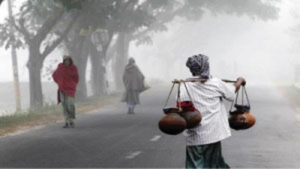
Winter in Bangladesh is often marked by thick fog. During this season, fog descends at night and lingers until sunrise, covering the surroundings in a soft, white veil. Dew gathers on the leaves of trees and on the tips of grass, and when the first rays of the morning sun fall upon them, they sparkle like tiny diamonds. The beauty of rural Bangladesh becomes especially enchanting during this season, as fields, trees, and village paths remain wrapped in dew and mist from evening until early morning.
Because of the cold and fog, people in villages return home early in the evening and begin their daily activities later in the morning. Cattle are kept safely in barns or sheltered places to protect them from the harsh cold. Despite the chill, winter brings a sense of happiness and festivity to village life. Following age-old traditions, juice is collected from date palm trees, and delicious molasses is prepared in different parts of the country. This seasonal activity adds warmth and joy to the cold winter days and reflects the rich cultural heritage of rural Bangladesh.
Winter food:
During this season, there is a growing demand for a wide variety of foods. In particular, in several districts of the southwestern part of the country, excellent-quality molasses and patali are prepared from fresh date palm juice. However, such fine and artistic patali is not produced everywhere. It is made with great patience, hard work, and careful attention by skilled artisans who preserve this traditional craft. These delicious winter delicacies reflect both the dedication and artistry of the patali makers.
This beautiful season is also the season of abundant food. Alongside molasses and patali, a variety of traditional dishes such as pitha, puli, kheer, payesh, and moya are prepared in homes across the countryside. At the same time, fields and homesteads overflow with fresh vegetables, making it seem as though nature herself has offered an endless supply as a special gift of the season. The charm and richness of this abundance feel uniquely suited to winter and would not appear as beautiful in any other season.
Vegetables such as gourd, pumpkin, cauliflower, cabbage, radish, spinach, turnip, eggplant, tomato, beans, potato, and onion sprouts are harvested in plenty and cooked in countless delicious ways. How fresh they are, and how delightful their taste is!
Winter fashion
Winter fashion in Bangladesh reflects the country’s mild yet charming winter season, blending comfort, tradition, and modern style. Unlike colder regions of the world, Bangladeshi winters are relatively short and moderate, which means fashion during this season focuses more on light layering than heavy clothing. People choose outfits that provide warmth during chilly mornings and evenings while remaining breathable and comfortable during warmer afternoons.
Traditional attire plays a major role in winter fashion across Bangladesh. Men often wear panjabis paired with pajamas or trousers, layered with shawls, sweaters, or waistcoats. Women commonly choose salwar kameez, sarees, or three-piece outfits, enhanced with woolen shawls, cardigans, or light jackets. Handloom fabrics such as cotton blended with wool become popular, as they offer both warmth and elegance. This beautiful season also brings a rise in embroidered shawls, printed scarves, and soft wraps that add color and texture to outfits.
In urban areas, especially among the younger generation, winter fashion embraces a more contemporary look. Hoodies, denim jackets, sweaters, pullovers, and long coats are commonly seen, often styled with jeans, boots, or sneakers. Neutral tones like beige, brown, grey, and black dominate winter wardrobes, while bold colors such as maroon, olive, mustard, and navy blue add vibrancy to the season. Accessories like beanies, mufflers, gloves, and socks become essential for both style and warmth.
Winter fashion in Bangladesh is also deeply connected to festivals, weddings, and cultural events. The season is considered ideal for celebrations, so people often invest in elegant winter outfits made with richer fabrics and intricate designs. Bridal and festive wear may include velvet shawls, heavily embroidered panjabis, or sarees paired with warm outer layers that maintain a graceful look without sacrificing comfort.
Overall, winter fashion in Bangladesh is a harmonious blend of tradition and modern trends. It reflects the country’s climate, cultural heritage, and evolving fashion sense—where warmth meets style, and simplicity is enhanced with seasonal elegance.
Winter skincare
Winter in Bangladesh may be shorter and milder than in many countries, but it can be surprisingly harsh on the skin. During this season, cooler temperatures, low humidity, and dry winds strip the skin of its natural moisture, leading to dryness, rough texture, dullness, and irritation. People often notice cracked lips, flaky skin, itchy patches, and worsening of existing conditions such as eczema or sensitivity, especially in the early mornings and late evenings when the air feels cold and foggy.
Winter skincare in Bangladesh focuses on restoring and locking in moisture while protecting the skin barrier from environmental stress. As the weather changes, lightweight summer products are often no longer sufficient. Skin needs richer moisturizers, gentle cleansers that do not remove natural oils, and regular use of hydrating ingredients such as glycerin, aloe vera, shea butter, ceramides, and natural oils. Sunscreen also remains important in winter, as UV rays can still damage the skin even on cloudy or foggy days.
Another important aspect of winter skincare in Bangladesh is adapting routines to daily habits. Frequent washing with hot water, which many people prefer in winter, can further dry out the skin. Using lukewarm water, applying moisturizer immediately after bathing, and protecting exposed areas like hands, feet, and lips can make a noticeable difference. For the face, adding nourishing serums or facial oils at night helps repair dryness caused by pollution and cold air.
Diet and lifestyle also play a role in maintaining healthy skin during winter. Drinking enough water, even when thirst feels reduced, and eating seasonal fruits, vegetables, and healthy fats support skin hydration from within. Overall, winter skincare in Bangladesh is about gentle care, consistent moisturizing, and simple protective habits that keep the skin soft, comfortable, and healthy throughout the season.
Winter travel
This season travel in Bangladesh offers a refreshing and memorable experience, as the country takes on a calm, pleasant charm during the cooler months from November to February. Unlike the intense heat and heavy monsoon rains of other seasons, winter brings mild temperatures, clear skies, and low humidity, making it the most comfortable time for exploring both cities and countryside. Morning fog often blankets rivers, fields, and village roads, creating a dreamy atmosphere that slowly fades as the sun rises.
This season is ideal for visiting Bangladesh’s diverse landscapes. In the north, places like Rangpur and Dinajpur feel crisp and peaceful, while archaeological sites such as Mahasthangarh and Paharpur can be explored without exhaustion. The hilly regions of Bandarban, Rangamati, and Khagrachari become especially attractive in winter, with pleasant weather perfect for trekking, boating on Kaptai Lake, and enjoying panoramic views of green hills and waterfalls. Wildlife destinations like the Sundarbans also become more accessible, as cooler weather makes river cruises and forest exploration far more comfortable.
This beautiful season travel is not only about nature but also culture and lifestyle. This season is rich with traditional food, festivals, and local experiences. Fresh vegetables, seasonal fruits, and famous winter delicacies such as pitha (traditional rice cakes) are widely available, offering travelers a taste of authentic Bangladeshi cuisine. Rural fairs, harvest activities, and cultural programs add color to village life, while cities like Dhaka and Chattogram feel more energetic yet less overwhelming due to the pleasant climate.
Beach lovers also find this beautiful season appealing, especially in Cox’s Bazar, Kuakata, and Saint Martin’s Island. The sea remains calm, the skies stay clear, and sunsets appear more vibrant, making it a perfect time for relaxation, photography, and water activities. Travelers can enjoy long walks along the shore without the discomfort of extreme heat or rain.
Overall, winter travel in Bangladesh combines comfort, natural beauty, and cultural richness. Whether exploring historical landmarks, enjoying hill treks, cruising rivers, or simply experiencing everyday life in towns and villages, winter allows travelers to see Bangladesh at its most welcoming and picturesque.
This beautiful weather winter in this country is also a curse:
For the poor of this country, however, winter often becomes a season of hardship and suffering. Lacking adequate warm clothing, many impoverished families, along with their children, are forced to live in broken huts made of straw and mud. Their homes have no proper fences or protective roofs to shield them from the biting cold. When sudden winter rain falls, this vulnerable group suffers the most, as they have nowhere safe or warm to take shelter.
On cold winter mornings, dense sheets of fog seem to cut through the body, intensifying their misery. Life itself is a blend of joy and sorrow, laughter and tears, light and darkness—and winter reflects this contrast vividly. While the season offers abundance and beauty to some, it brings pain and struggle to others. Thus, winter becomes both a season of gain and a season of loss.
If we extend a helping hand to the poor by providing warm clothes, food, and shelter, they too can overcome the hardships of this harsh season. Through compassion and collective responsibility, we can ease their suffering and ensure that the joys of winter are shared by all.

Leave a Comment